Why?
Although the performing arts have a reputation for progressive politics and inclusivity, it doesn’t take much investigation to unearth an entrenched culture of racism and misogyny that would be at home in the nineteenth century. For all the inroads women and nonwhite men have made in classical music, all you have to do is look at faculty appointments and ensemble demographics to get a sense for the urgency with which the establishment clings, limpet-like, to the old ways. This is the first cohort that will bemoan the “reverse discrimination” they are subjected to, a perfect demonstration of the entitlement they project onto other groups. When someone sees themself as the natural/normative choice for a particular vocation, the odd deviation might not trigger much of a response, except to marvel at the exoticism of it all. See: lady or Black pilot/engineer/conductor et al. Beyond that, anything suggesting equal representation—and the implication of equal ability—feels like an existential threat that must be dealt with by any means necessary. We say enough.
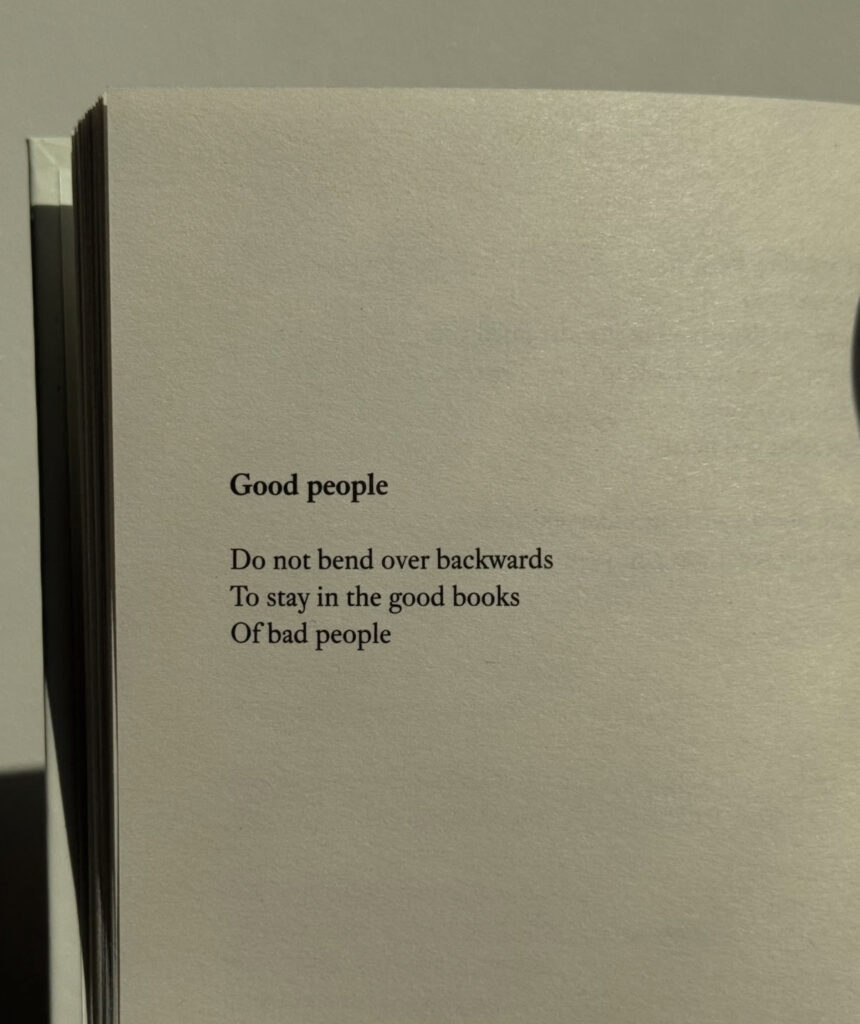
Poem “Good People” by Lucas Jones.
Project seeking submissions: This You?
This You? is a collection of anonymized accounts of sexual harassment, abuse, and intimidation in the music world. Fully anonymized; identifying details, including places, ensembles, instruments, and years will be scrubbed. As such, there is very little incentive for the fantastical or wild accusations that defenders of abuse seem very concerned about.
This is meant to be an outlet for survivors to speak their truth without risking their livelihoods. To be able to talk publicly about the experience without the fear of blowback. To share with the community and create a knowledge base of the habits and mechanisms long used to reinforce the culture of sexism and abuse in music. So that we might recognize them. So that we might end them. The point is not to use these short essays to drum up scandal. The point is to create a midway point between remaining silent and going public. If you’d like to contribute to this book, read the FAQ below.

Guidelines for sharing your story
- you are welcome contact me anonymously, via an alias, or using your actual name. I will never reveal any identities.
- do not name names, although if you would like to come forward publicly, I can connect you with resources.
- you will have final say as to what gets published.
Contact me via email: contact at emilywright dot net or Signal: echowhiskey.28
Q: What if someone is lying? What if the story isn’t true? A: That is a faint possibility, but in my experience the liars are the exception that prove the rule. According to the best measurements we have, very few accusations end up being false. What we are certain of is that the majority of crimes of a sexual nature are not reported, in part because of the persistence of the myth that victims to this “for attention”. The attention they receive tends to be vicious, requiring them to develop a thick skin if they want to be a public facing accuser.